

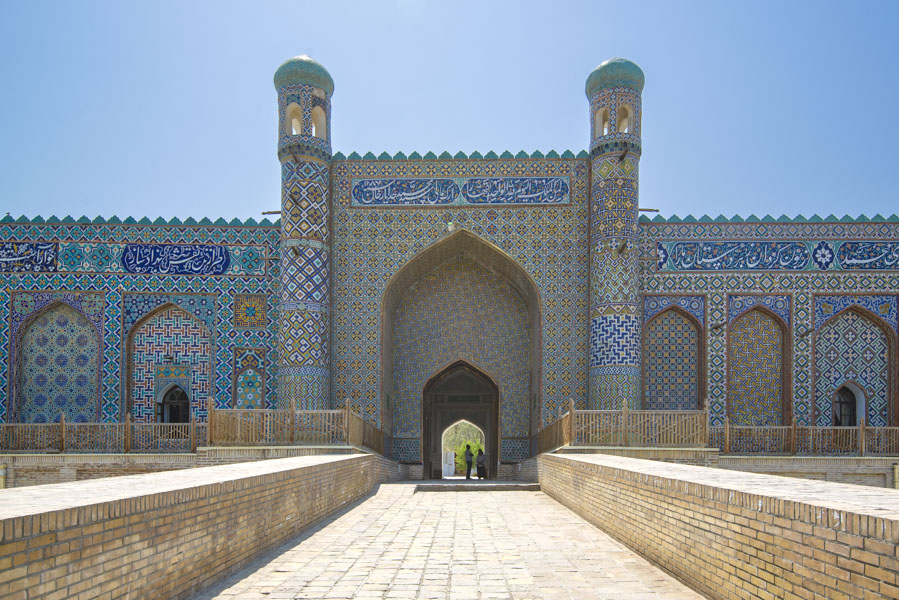
Kokand is one of the oldest and most historically significant cities in the Fergana Valley. In medieval times, it stood along a major route of the Great Silk Road, which turned it into a key center of trade, filled with bustling bazaars and vibrant craft workshops. During the era of the Kokand Khanate (XVII-XIX centuries), the city saw the construction of remarkable architectural landmarks, including the Palace of Khudoyar Khan, the Norbutabek Madrasah, the Madari Khan Mausoleum, the Damoi Shakhon Tomb, and other important monuments that established Kokand as the cultural and political heart of the entire region.
Kokand’s architectural heritage reflects the rich diversity of the region’s building traditions. The city's monuments range in purpose and style – from royal residences to religious buildings and mausoleums – and showcase a blend of Islamic architecture with local craftsmanship. Majestic entrance portals, intricate carved decorations, and vibrant tile mosaics make these landmarks iconic symbols of Kokand. Each site is tied to key historical events or influential political figures, adding depth and meaning to their architectural beauty.
In this article, we highlight Kokand’s most notable monuments – must-see landmarks for anyone traveling to Uzbekistan.
The Palace of Khudoyar Khan is a magnificent XIX-century architectural monument and one of the most impressive landmarks in Kokand. Built in 1871 by order of Khudoyar Khan, it symbolised the ruler’s authority and the former grandeur of the Kokand Khanate. The palace stands out for its vivid façade, richly decorated with colourful ceramic tiles and mosaics featuring traditional ornamental patterns.
Originally, the complex consisted of 119 rooms, of which only 19 have survived to the present day. Much of the palace was destroyed during military clashes with the forces of the Russian Empire. Today, the restored part of the building houses the Kokand Local History Museum, where visitors can explore exhibits that illustrate the political, cultural, and everyday life of the Kokand Khanate.
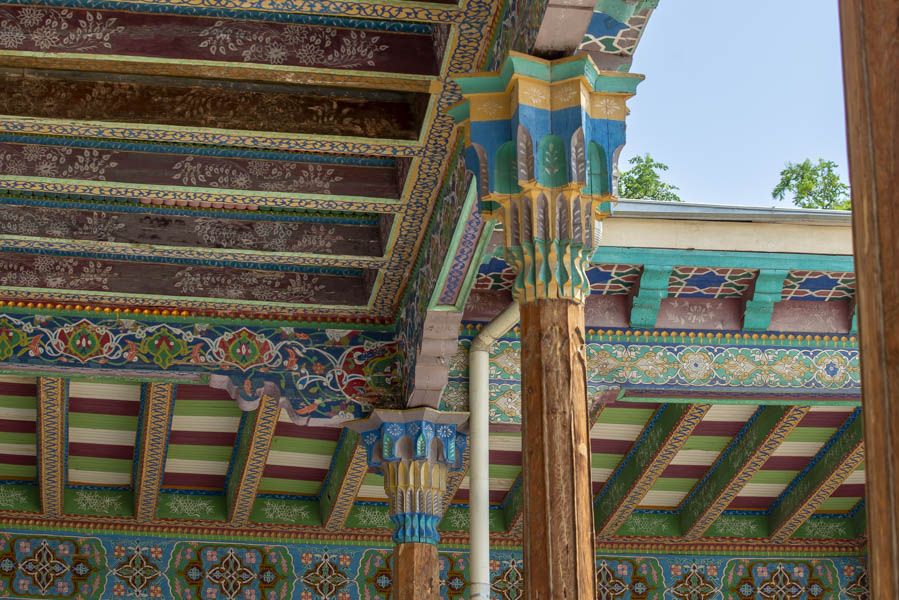
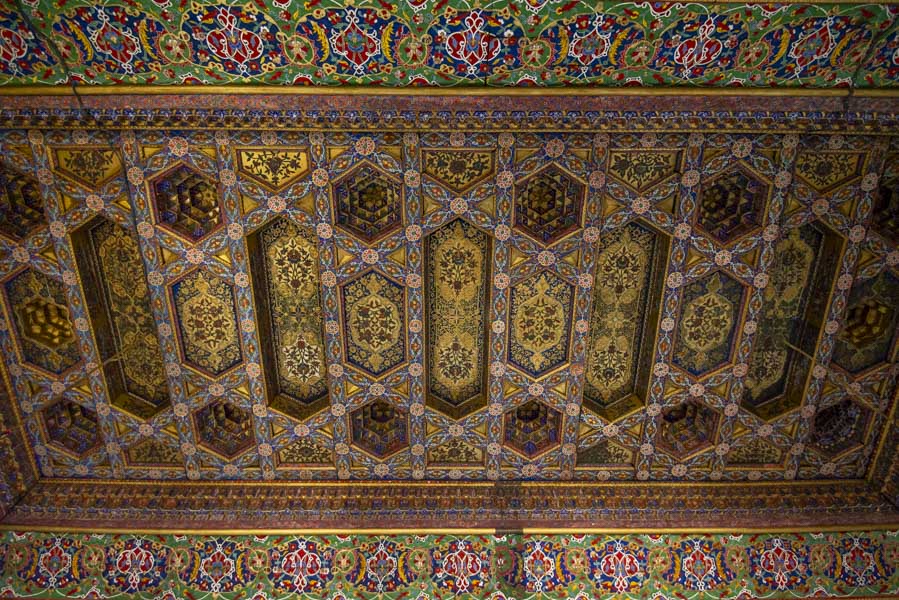
Norbutabek Madrasah is a significant historical monument from the late XVIII century and one of the largest madrasahs in the Fergana Valley. As a major center of education, theology, and intellectual life, it reflects the cultural and scholarly achievements of the Kokand Khanate. The structure is notable for its strict symmetry, with an inner courtyard surrounded by rows of khujras – residential cells for students. The entrance portal stands out for its rich decorative elements, featuring traditional Uzbek motifs and intricate floral patterns. The overall composition blends simplicity with the refined elegance characteristic of Central Asian Islamic architecture.
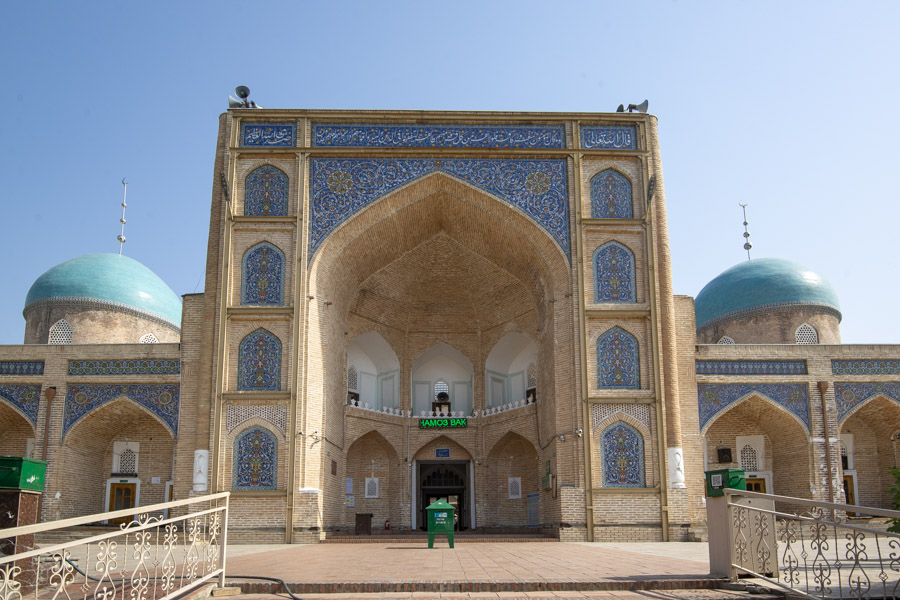
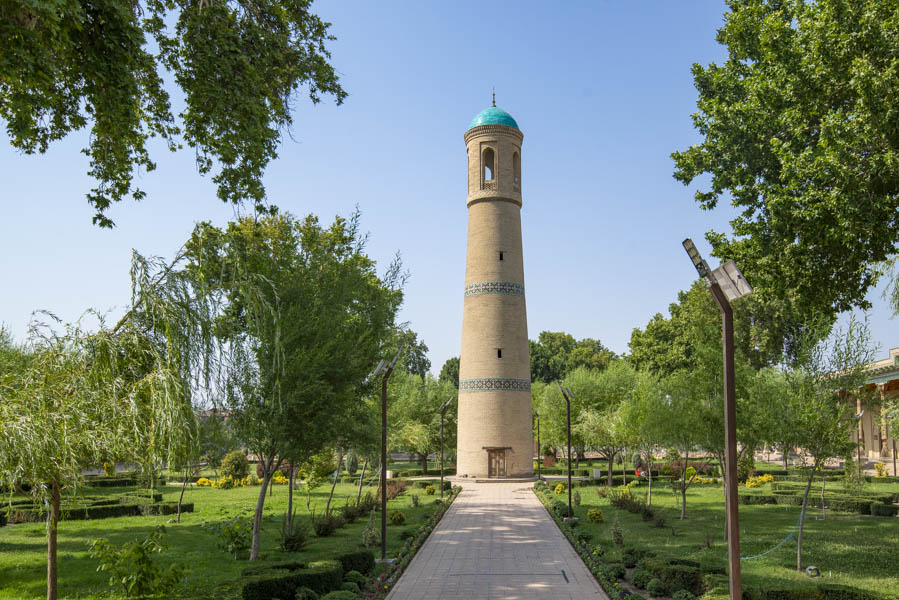
Jami Mosque is a remarkable example of the XIX-century Uzbek architecture and one of the main landmarks of Kokand. The complex includes the mosque itself, a spacious courtyard with a central minaret, and rows of khujras (cells) around the perimeter. It also features a madrasah, a khanaka, and a large iwan – an open gallery supported by carved wooden columns.
The Jami Mosque is distinguished by its vibrant design and the abundance of intricate decorative details crafted by the finest artisans of the Fergana Valley. A standout feature is the iwan, supported by 98 walnut pillars, each adorned with refined carvings and topped with capitals executed in the traditional mukarnas style.
Jami Mosque is a true masterpiece of Uzbek architecture – a must-see when visiting Kokand.
Damoi Shakhon tomb is the mausoleum where Kokand Khan Umar Khan is buried, alongside his father Norbut-biy, as well as his sons and grandsons. The construction of the tomb was commissioned by the khan’s widow, the renowned Uzbek poetess Nodira Mokhlaraim, who was deeply respected for her intellect, wisdom, and literary talent.
The Damoi Shakhon complex is a remarkable example of the XIX-century architecture and an important cultural landmark in Kokand. The tomb features a portal-domed structure with an elaborately decorated entrance. Inside, the richly painted dome and walls leave a lasting impression, showcasing the refined artistry of the period.
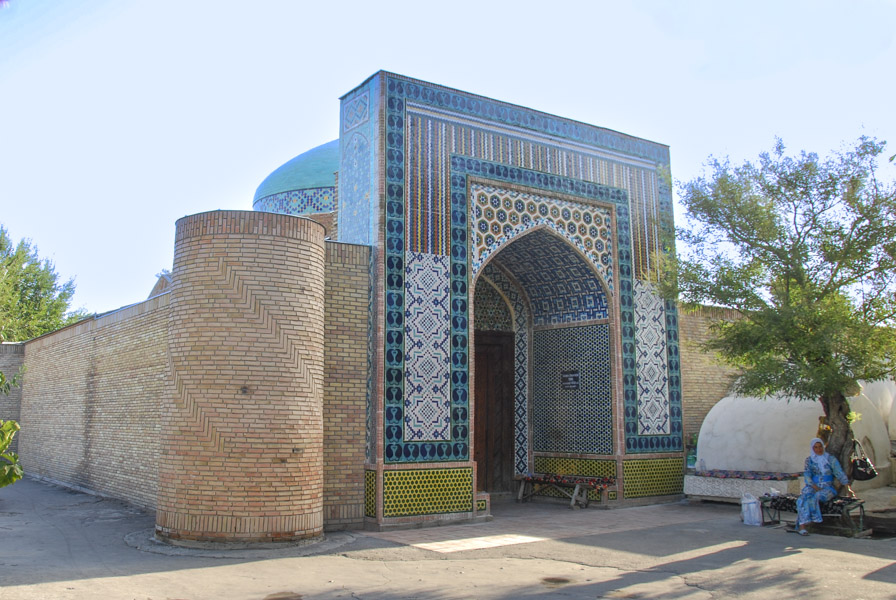
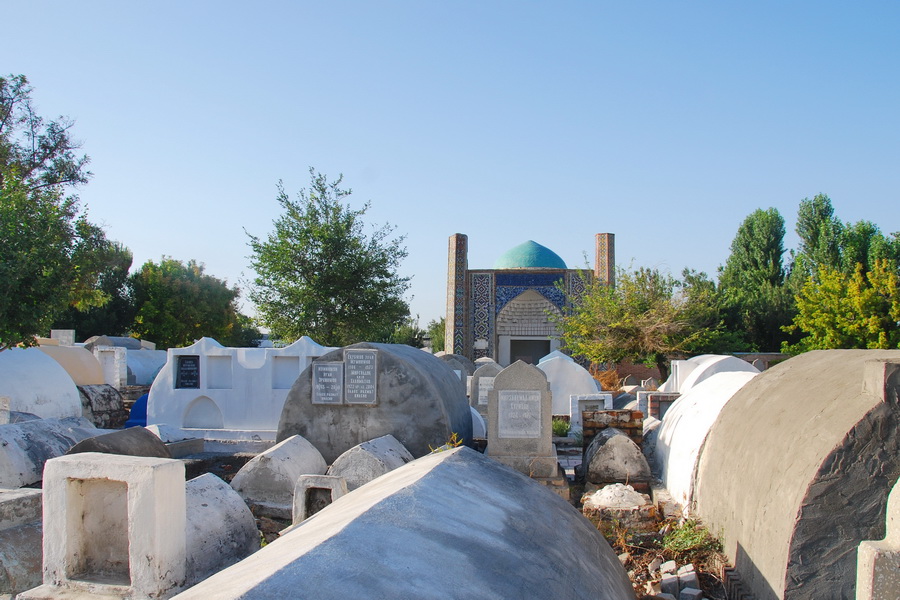
The Madari Khan Mausoleum is the tomb where the mother of Kokand Khan Umar Khan is buried. Like the Damoi Shakhon ensemble, this memorial was commissioned by Nodira, the khan’s wife and a prominent cultural figure of her time. In a tragic turn of events, Nodira herself was later laid to rest in this mausoleum.
The structure is built in the Fergana architectural style, featuring vibrant decorative elements typical of the region. Its façade is adorned with brightly colored majolica tiles bearing intricate geometric and floral patterns. The entrance arch is embellished with carved majolica, while the dome – a focal point of the composition – is decorated with vivid arabesques.