
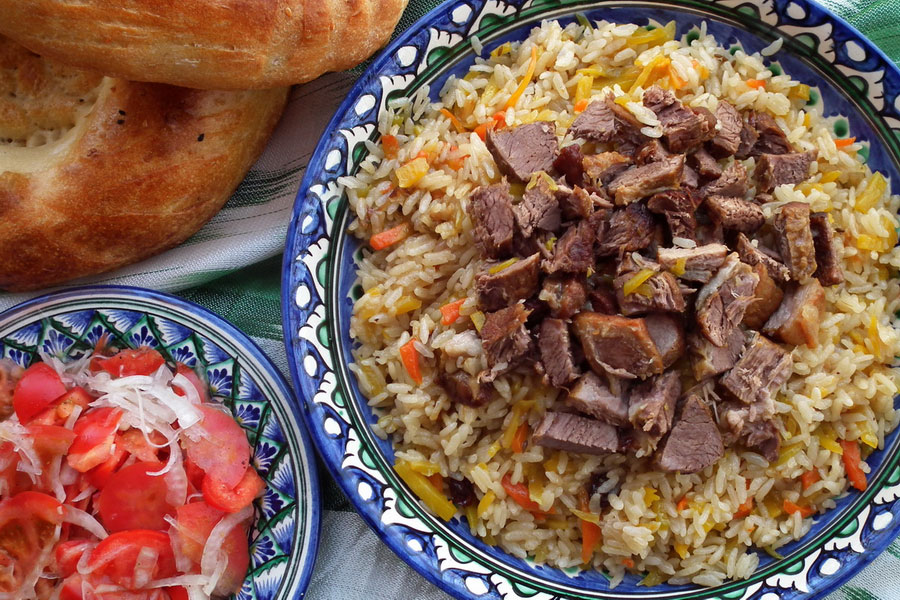

Many say Uzbek cuisine is among the most delicious in the world, and we agree. Uzbekistan boasts several popular dishes that have captivated the hearts of gourmets from various countries.
Uzbek cuisine is rich in diverse combinations of products and spices, tested over centuries, guaranteeing dishes a truly special taste and aroma. Moreover, it's impossible to stay hungry in Uzbekistan. Firstly, because the country is renowned for its warm and hospitable reception of guests. And secondly, Uzbek cuisine is a true art form, embodied in a multitude of dishes, ensuring there's something for every palate.
The dishes of Uzbek cuisine traditionally consist of meat, cereals, flour, vegetables, fruits, greens, and spices. The types of meat used include lamb, beef, chicken, and fish. The foundation of Uzbek cuisine lies in products rich in animal and plant proteins, as well as fiber, making the dishes nutritious and balanced. Contrary to popular belief, Uzbek cuisine is not overly fatty. Yes, Uzbeks enjoy fatty meats and tail fat, but that doesn't mean these ingredients are found in every national dish. Try not to overeat and balance the main dishes with vegetable salads.
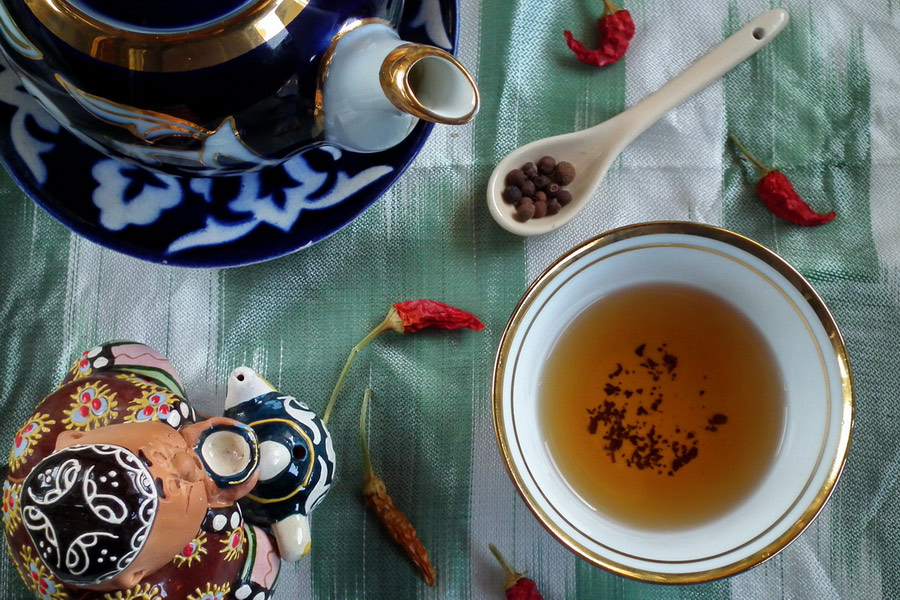
In Uzbekistan, guests are first offered tea. Every meal invariably starts and ends with this drink, accompanied by national sweets and nuts. Mainly, Uzbeks drink green tea (kuk-choy), while black tea (kora choy) is more popular in Tashkent.
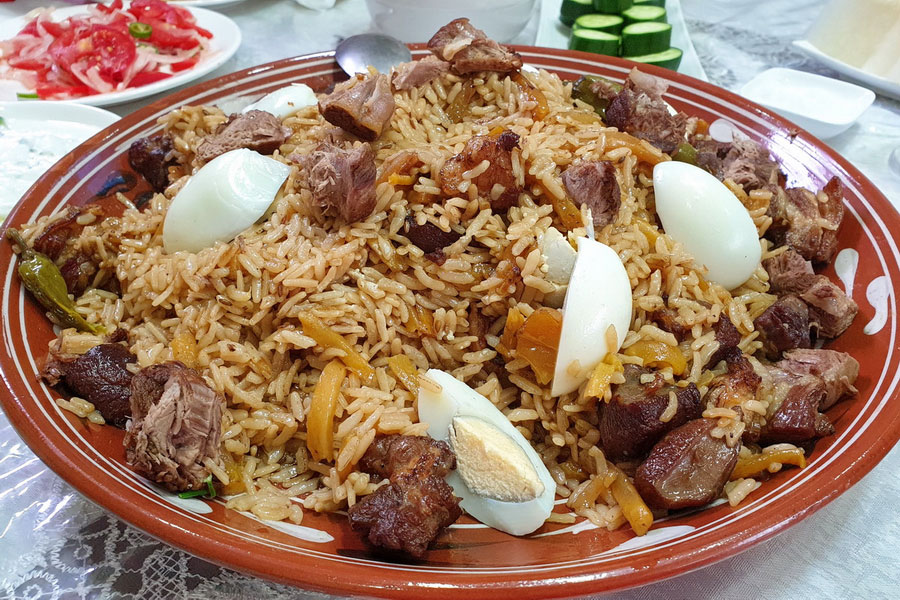
Plov (pilaf) is the most famous dish of Uzbek cuisine. It is prepared with rice, meat, carrots, and onions, adding various spices. Pilaf is cooked over an open fire in a large cauldron, giving the dish a unique twist. Every region in Uzbekistan has its own way of preparing pilaf, with the most famous types being chaykhana pilaf, wedding pilaf, Samarkand, and Bukhara pilaf.
Despite many associating Uzbek cuisine primarily with pilaf, it is much richer and more diverse.
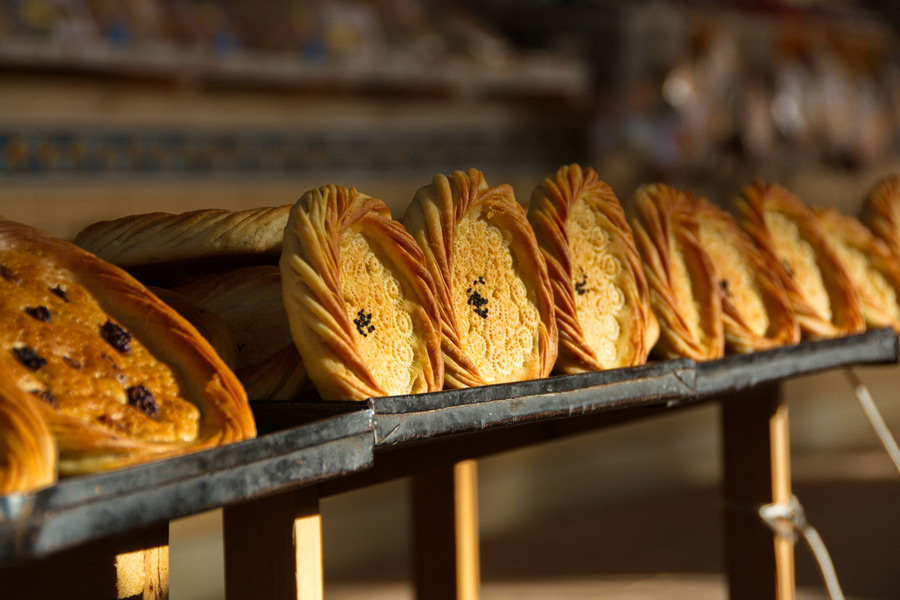
An important role in the Uzbek culinary tradition is played by lepeshkas, round bread baked in a large clay oven called a tandoor. Lepeshkas can be simple or festive, sweet or layered, with or without filling, and are found at any feast, whether a simple home dinner or a large celebratory event.
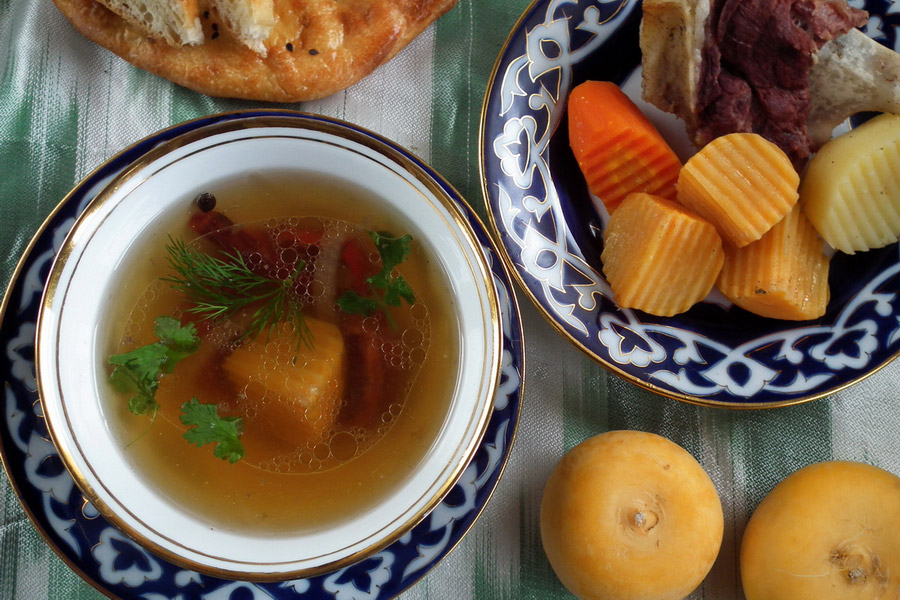
Among the first courses in Uzbek cuisine, noteworthy are soups like shurpa (a rich meat soup with chunky vegetables), mashhurda (a soup with mung beans, rice, meat, and vegetables), mastava (a rice soup with meat and vegetables), and lagman (handmade noodles with meat and vegetables).
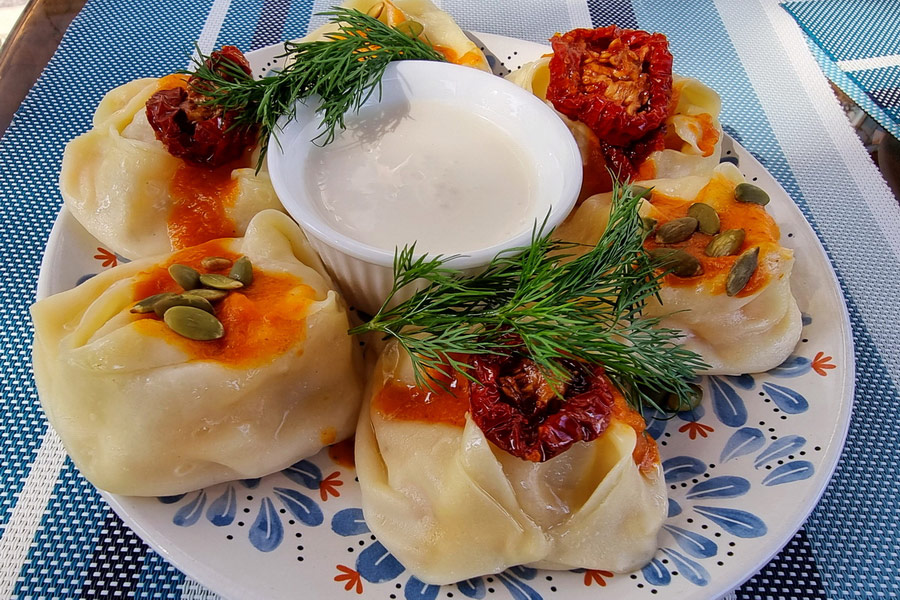
Uzbeks also enjoy shashlik (pieces of grilled meat), samsa (layered pastries with various fillings, baked in a tandoor), manti (steamed dumplings with meat), hanum (a roll of dough filled with potatoes), chuchvara (small dumplings), and various types of roasted dishes.
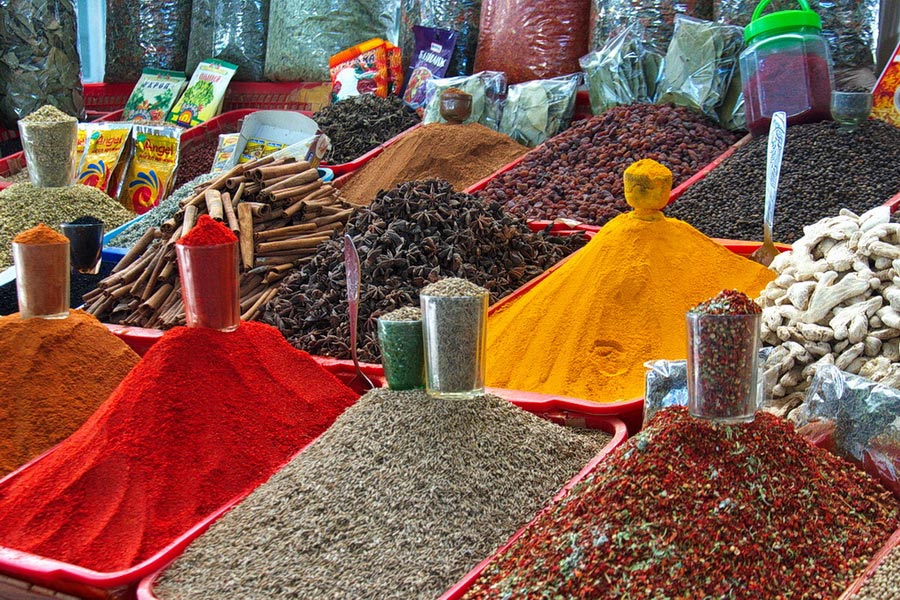
Almost every Uzbek dish is generously seasoned with greens and numerous spices, giving the food a unique taste and aroma. Uzbek cumin, cilantro (coriander), red and black pepper, turmeric, cloves, saffron, paprika, barberries, and much more are so popular among tourists that they take these spices home with them.
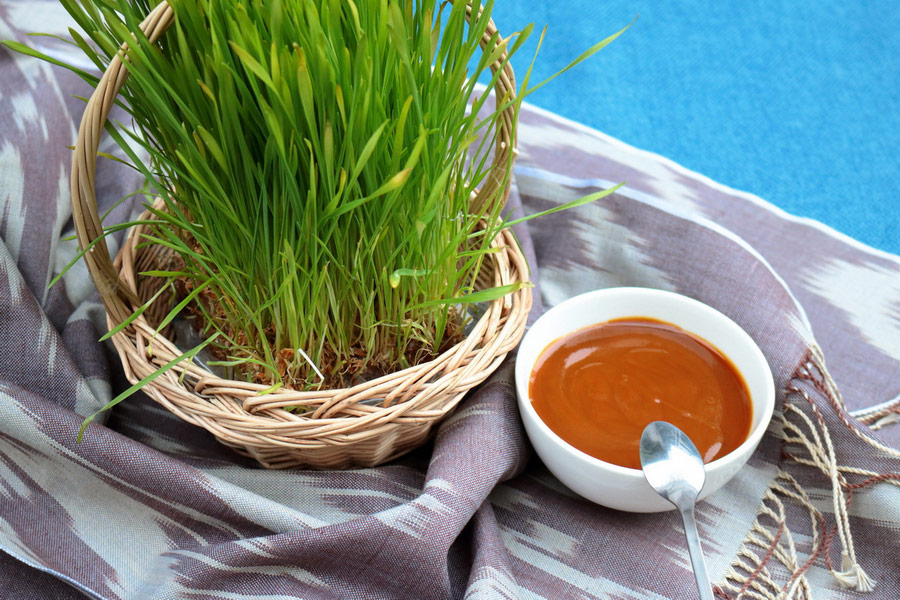
Uzbek cuisine is also famous for its sweets, including halva (a dessert made from oil, flour, sugar, and nuts), chak-chak (fried pieces of dough stuck together with honey), parvarda (traditional Uzbek candies), pashmak (sugar and flour-based cotton candy), sumalak (a dish made from cooked wheat), and much more.
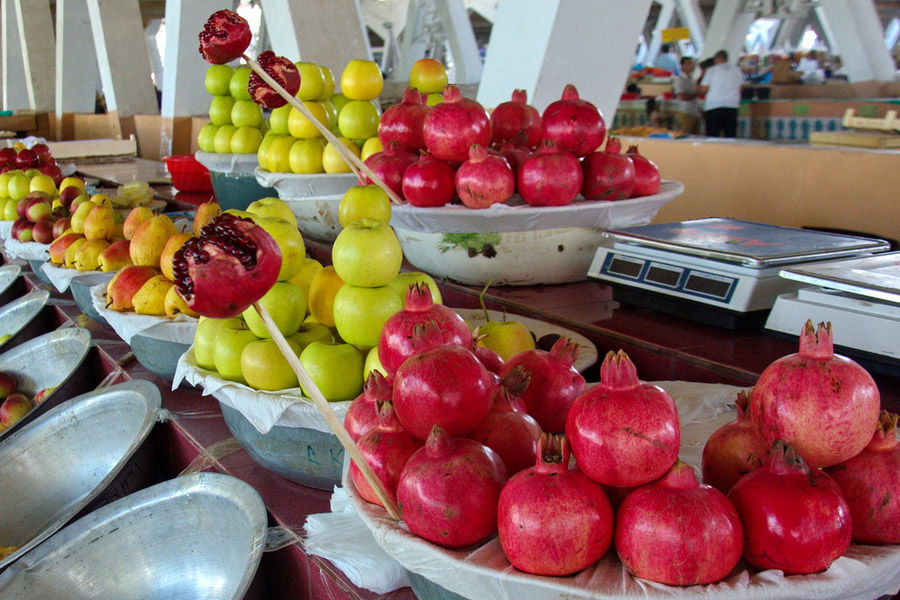
Uzbekistan's cuisine features a variety of fruits and vegetables. Juicy peaches, fragrant melons, watermelons, pomegranates, cherries, grapes, figs, lemons, and other fruits and berries grown in sunny Uzbekistan will amaze your taste buds. A salad made from Uzbek tomatoes and cucumbers will also leave a lasting impression.
Today, you can try Uzbek cuisine in various countries around the world. Uzbek expatriates treat residents of the USA, Europe, and Asia to their national dishes. But, of course, the most delicious and authentic cuisine can only be experienced in Uzbekistan. Come and see for yourself!