
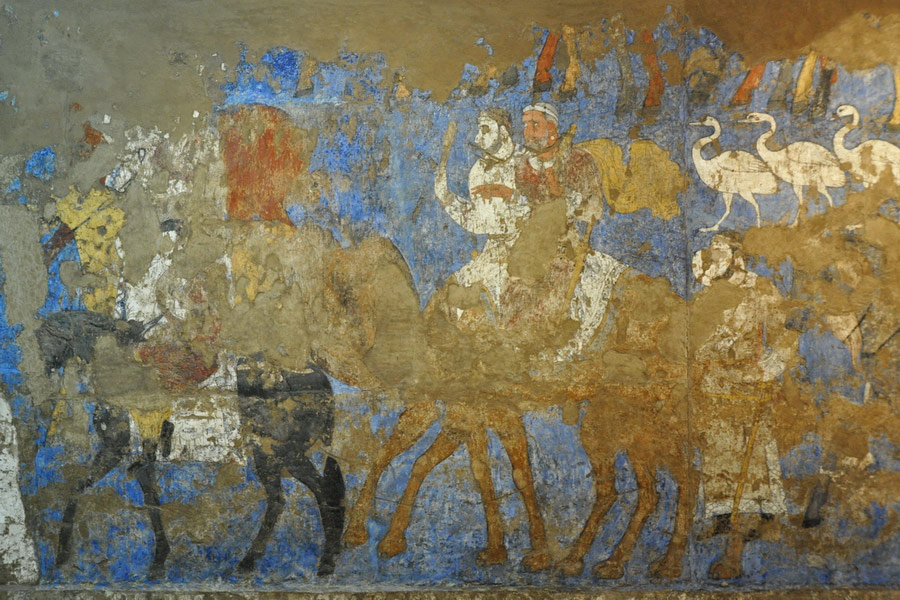

Uzbekistan boasts a profound history that stretches back millions of years, making it one of humanity's earliest dwelling places. Its rich past, home to one of the world's ancient civilizations, positions Uzbekistan as a captivating destination for tourists interested not only in the architectural marvels of the East but also in exploring the depths of history.
In the Chimgan Mountains, remnants of the prehistoric Tethys Ocean, dating back 850 million years, are evident through seashells still found today. Uchkuduk's Dzharakuduk tract, once a forest 80-100 million years ago, now showcases only stone-encased tree fragments. This area has also yielded numerous fossils of ancient fauna.
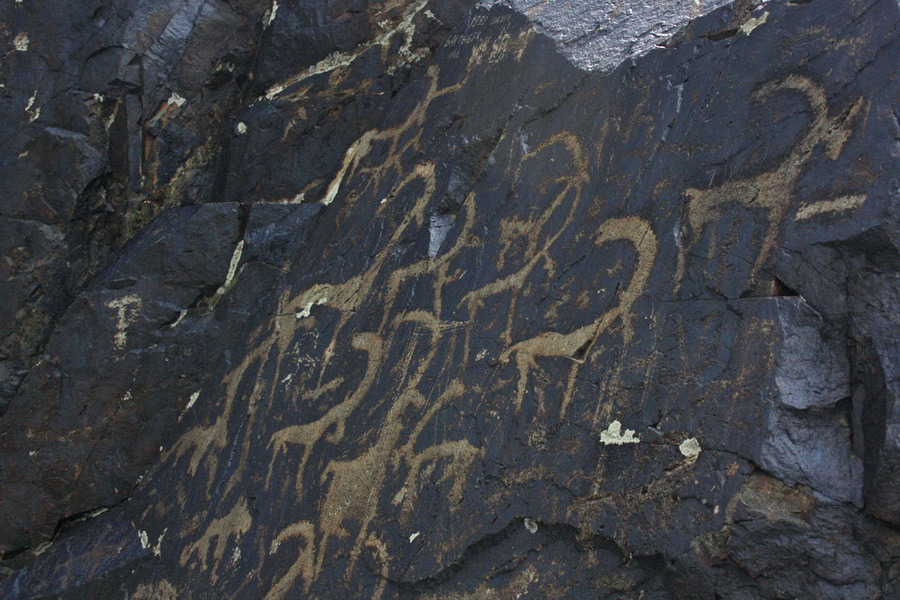
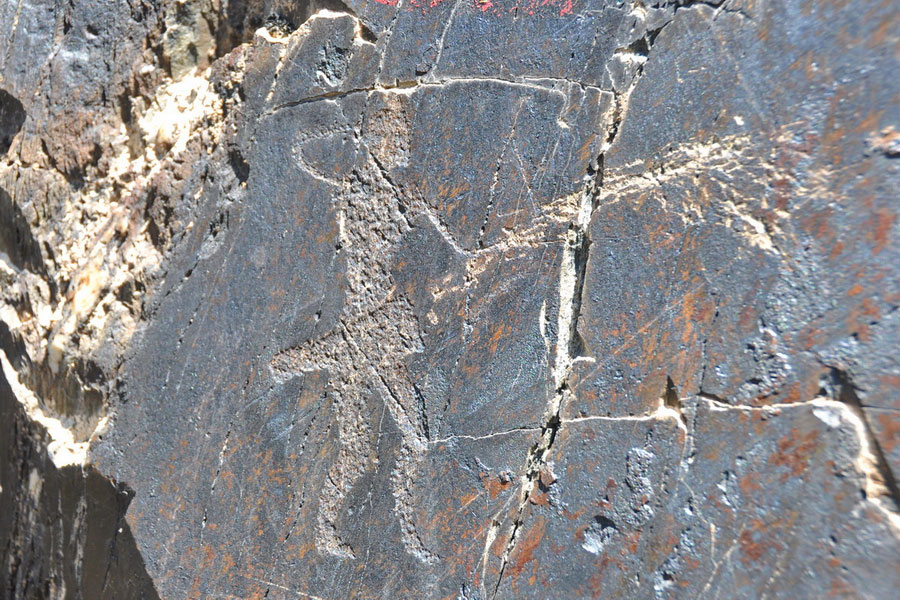
The land has witnessed the presence of primitive humans, as demonstrated by significant archaeological finds. The Teshik-Tash cave revealed the remains of a Neanderthal girl who lived between 300-40 thousand years ago. Similarly, the Obi-Rahmat grotto housed the remains of a boy dating back at least 50 thousand years. The Sarmyshsai Gorge is famed for its petroglyphs crafted in the 15th millennium BC, during the Mesolithic era. Petroglyphs in Beldersay date from the 8th to the 4th millennia BC, while Khojikent's rock paintings emerged in the 4th to 3rd millennia BC.
The inception of several cities in Uzbekistan occurred almost concurrently in the 1st millennium BC. Legend holds that Khiva was established in biblical times by Sim, a son of Noah. However, archaeological evidence suggests the city was founded in the 6th century BC. The name "Bukhara" first emerged in the 6th to 5th centuries BC, corroborated by copper coins from archaeological digs. Samarkand, among Uzbekistan’s oldest cities, was established as the capital of ancient Sogdiana in the 8th century BC, alongside Shakhrisabz, then known as Kesh.
In the 6th century B.C., the region now known as Uzbekistan fell under the sway of ancient Persia, conquered by Cyrus the Great, the founder of the Achaemenid Empire. He established 20 satrapies, or administrative divisions, aligning closely with the borders of the countries he subdued, including Armenia, Assyria, Babylonia, Egypt, India, Media, Parthia, Khorezm, Sogdiana, among others. The territories of ancient states such as Sogd, Khorezm, and Bactria, located within modern Uzbekistan, resisted the Persian conquests on several occasions. Notably, in the latter half of the 4th century B.C., Khorezm successfully rebelled, achieving independence.
The 5th century B.C. saw the emergence of the first Central Asian script, the Khorezmian script, developed from the Aramaic alphabet and used by the inhabitants of what is now Uzbekistan.
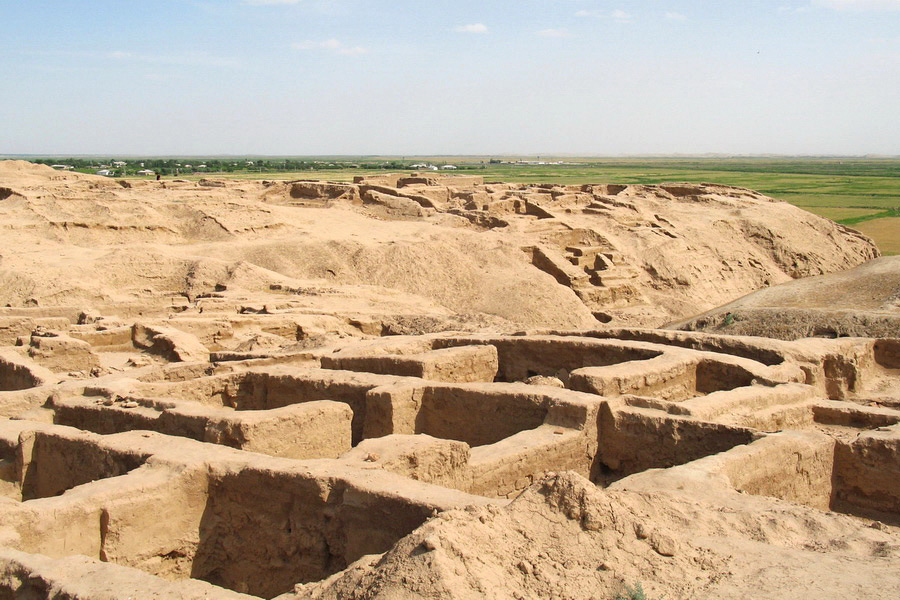
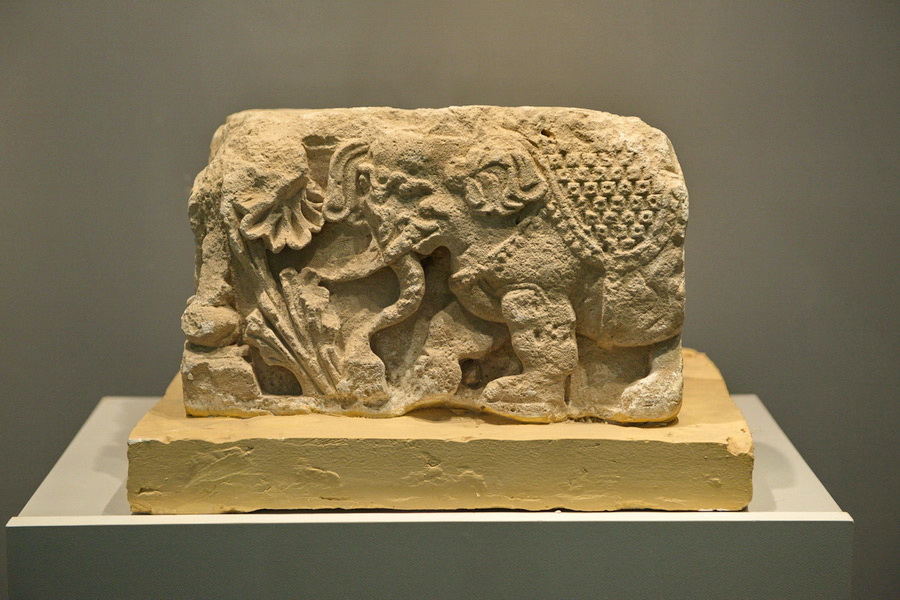
Between 329-326 B.C., Alexander the Great conquered the area, founding the cities of Alexandria Eskhat along the Syr Darya and Alexandria Oxian by the Amu Darya. Archaeologist Edward Rtveladze later uncovered the latter's ruins, revealing a city surrounded by defensive walls, towers, and a moat, marking the introduction of Hellenistic culture, monumental architecture, crafts, and road construction in the region.
In the mid-2nd century B.C., Chinese envoy Zhang Qian, struck by the beauty of horses in the Fergana Valley during his travels through Bactria, proposed to the emperor exchanging silk, absent in Central Asia, for these "heavenly horses." The first silk-laden caravan reached Fergana in 121 B.C. Although initial trade was disrupted by early uprisings, it eventually paved the way for the flourishing of the Great Silk Road, with multiple routes traversing through Uzbekistan's Fergana Valley, Shash (Tashkent), Samarkand, Bukhara, Khiva, Termez, and Urgench, facilitating the exchange of horses, jewelry, carpets, fabrics, leather, fruits, gourds, and military gear with China.
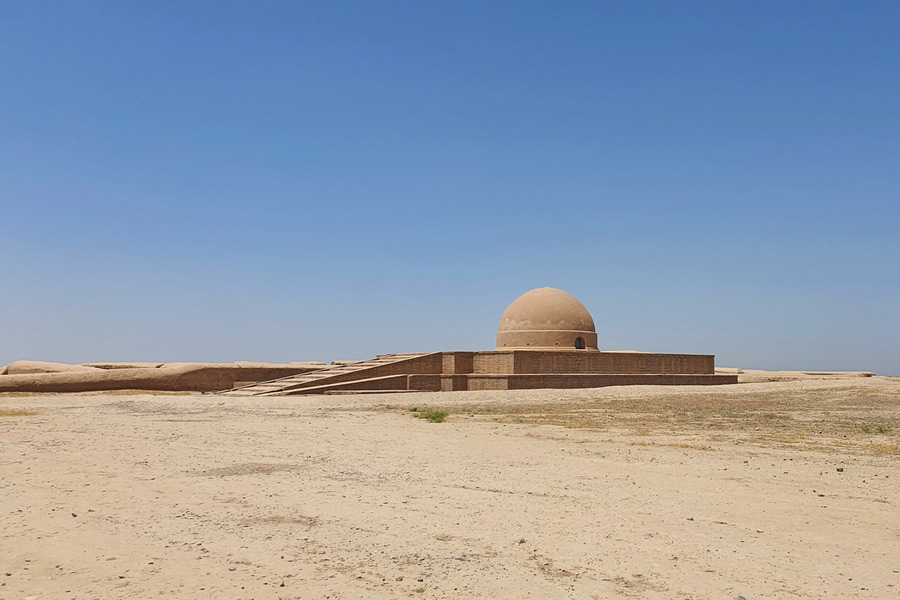
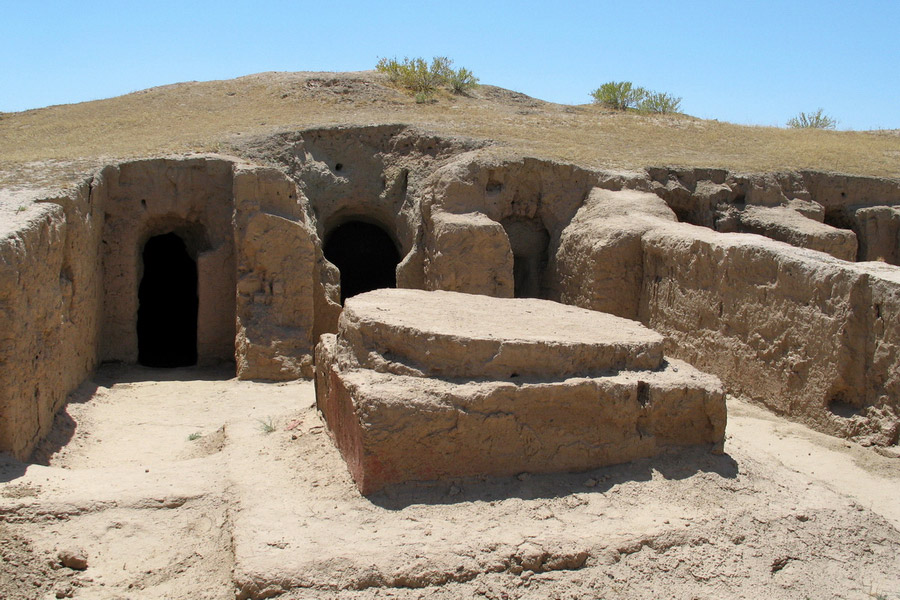
By the 1st century A.D., the region became part of the Kushan Empire, a period marked by the active spread of Buddhism, endorsed by the Kushan ruler Kanishka I. Remnants of Buddhist temples and monasteries, such as Fayaz-Tepa and Karatepa in Termez, bear witness to this era, suggesting Buddhism's transmission to China from Termez. Additionally, during the Kushan era, Christianity was introduced to Uzbekistan by Thomas the Apostle.
From the mid-5th century until 567, modern Uzbekistan's territories were under the rule of the Ephthalite (White Huns) state, a nomadic group known for their felt yurts.
In 552, as a result of the unification of different tribes who began to call themselves Turks, the Turkic Khaganate was founded. This state later grew to be enormous, incorporating territories of many modern countries. Bukhara, and subsequently all of Central Asia, was conquered by the Turks in 567. By 576, following their conquests, the Turkic Khaganate came to control important routes of the Great Silk Road. In the 7th century, the Turks developed their own script, known as the Orkhon-Yenisei script.
At the beginning of the 8th century, the Arabs started to capture territories of present-day Uzbekistan and spread Islam across these lands. Efforts to seize power had been made since the late 7th century, but were initially unsuccessful. The first to fall was Paikend in 706. The entire region quickly became part of the Muslim world. This time also marked the beginning of active mosque construction. Arabs destroyed Zoroastrian and Buddhist religious buildings, but Jews and Christians were spared. The Arab conquest also had a significant impact on the development of science and culture, leading to the emergence of prominent scientists and the translation of many global texts into Arabic.
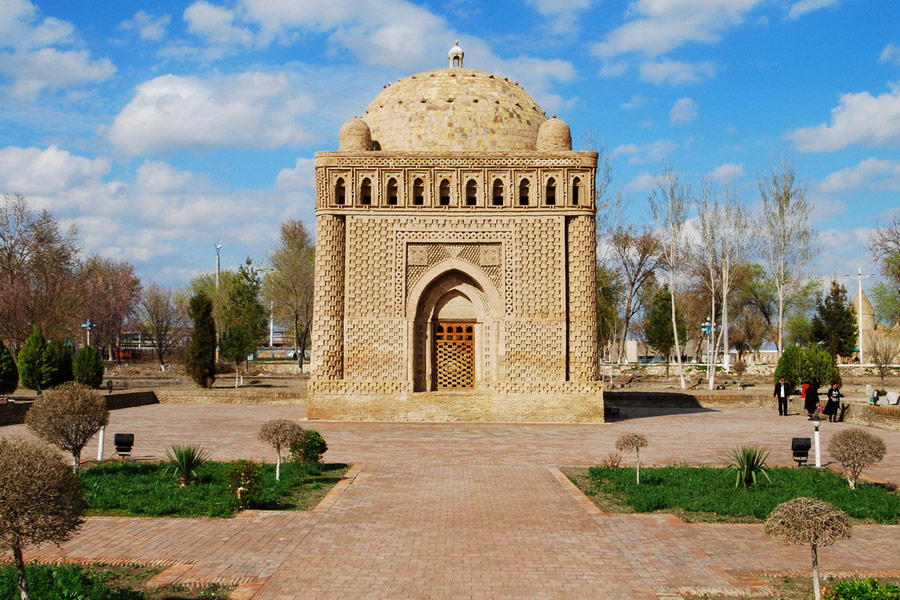
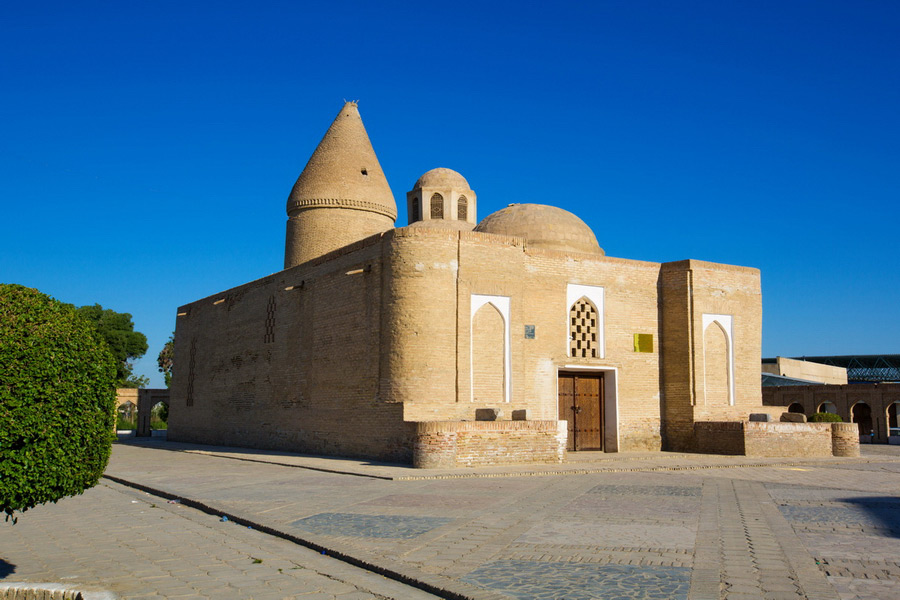
The Samanids, who ruled the territory of modern Uzbekistan from 875 to 999, declared Bukhara the capital of their state. They were followed by the Karakhanids, who ruled until 1141, and then the Karakitai and the Khorezmshahs, who came to power in the early 13th century. The rule of these dynasties was not particularly notable. However, at the end of the 9th and beginning of the 10th centuries, the Samanid mausoleum was built in the center of Bukhara, which still attracts hundreds of pilgrims to this day. During the Karakhanid era, the famous Kalyan minaret, Chashma Ayub mausoleum, and Magoki-Attari mosque were constructed.
Between 1216 and 1224, the Chingizids arrived in the cities of modern Uzbekistan. They plundered and almost completely destroyed Samarkand (the Afrasiab site), Bukhara, and the major cities of Khorezm and Mawarannahr. Human casualties across Central Asia, according to various estimates, ranged from 2.5 to 4 million. Despite the negative consequences, the Mongol invasion played a positive role by stimulating the development of trade and international relations.
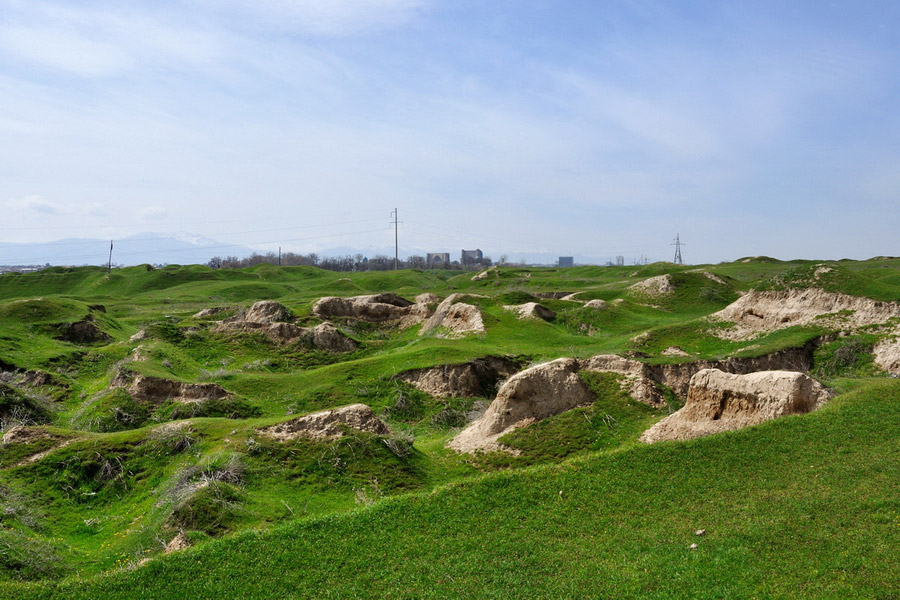
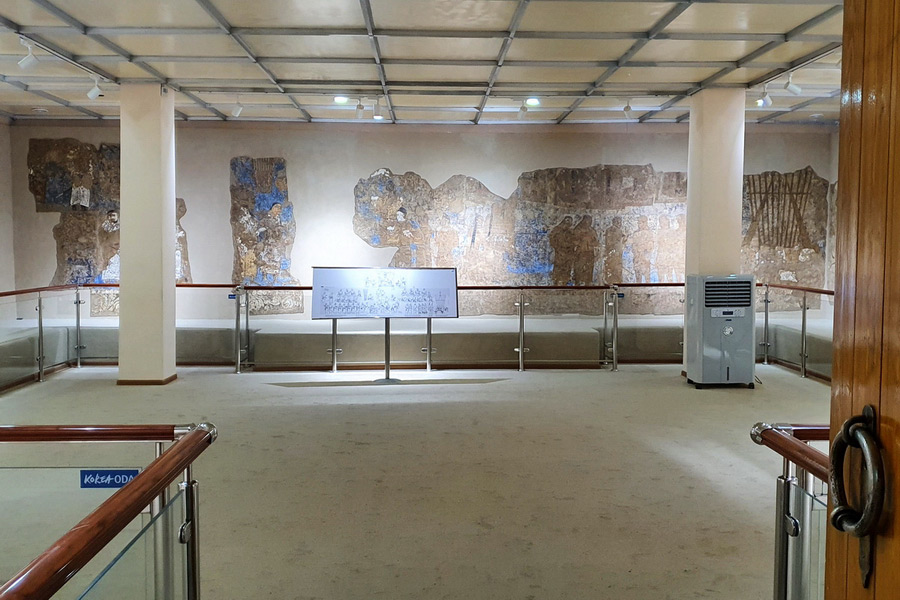
In 1370, Amir Timur came to power. He refused the title of khan, which was already plentiful, and became a great emir—the founder of the Timurid dynasty. Timur declared Samarkand as the capital of his state. During the Timurid era, the country experienced economic and cultural flourishing. Notable members of the dynasty included descendants of Amir Timur—Mirzo Ulugbek, who built one of the most famous medieval observatories in the world, and Zahir ad-Din Muhammad Babur, the founder of the Mughal dynasty and author of the memoir "Babur-name," who was born in Andijan.
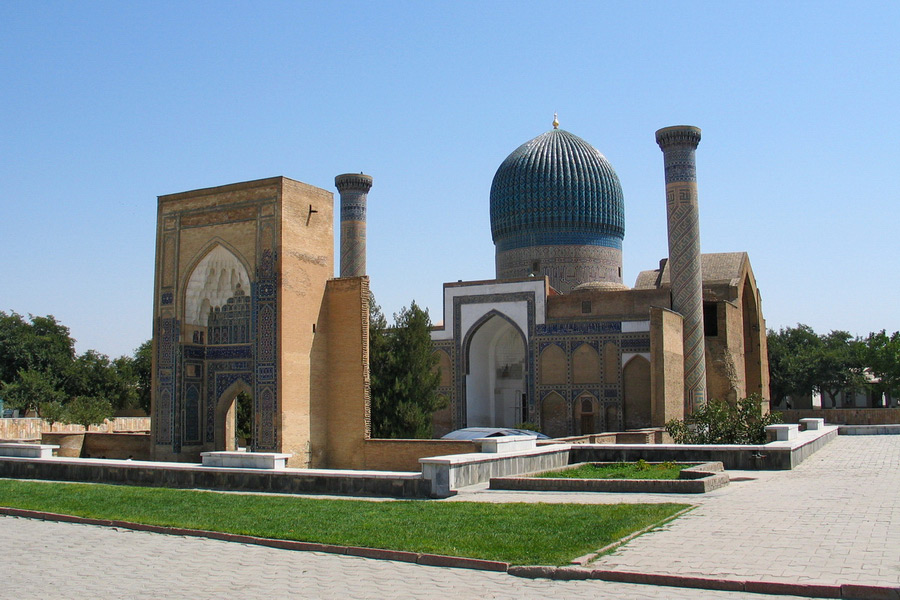
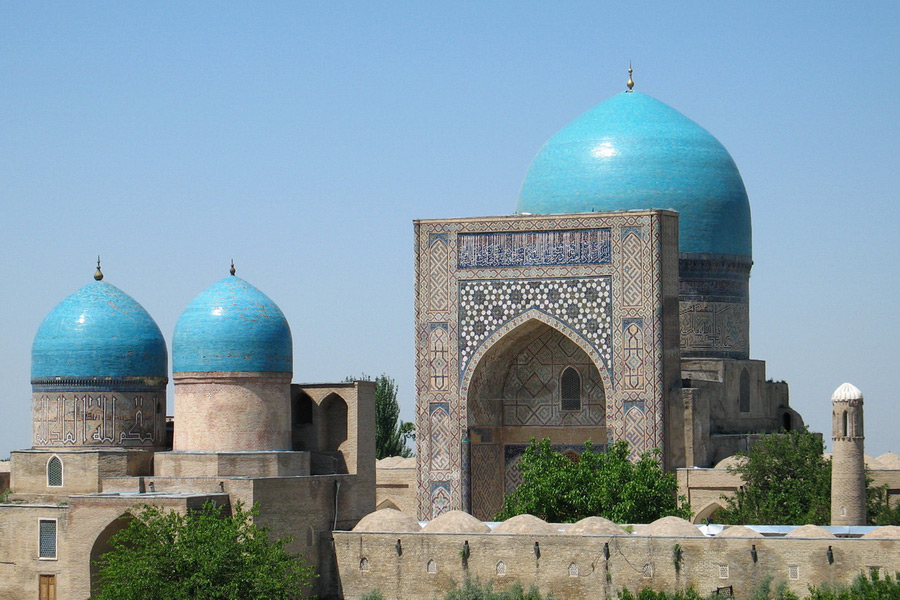
During the Timurid dynasty's rule, several famous landmarks of modern Uzbekistan were constructed: Ulugbek's madrasa on the future Registan Square, Ulugbek's observatory, the Gur-Emir mausoleum, Bibi-Khanum mosque, St. Daniel's mausoleum, Rukhabad and Shah-i-Zinda mausoleums in Samarkand. Also, under the Timurids, the majestic Aksaray (Ak-Saray) Palace, the Dorut-Tilovat Memorial Complex with the Kok-Gumbaz Mosque, and the Dor-Us-Saodat Complex in Shakhrisabz were built.
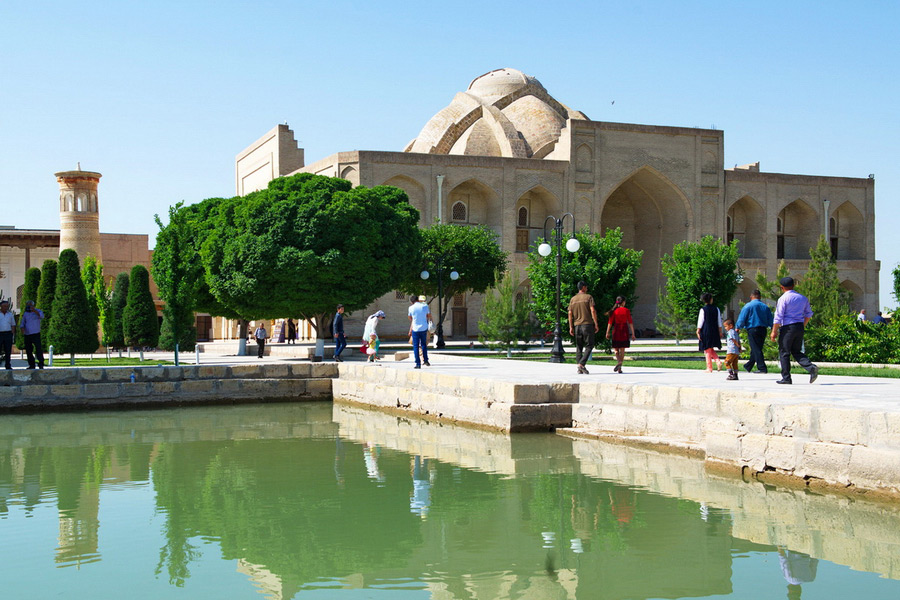
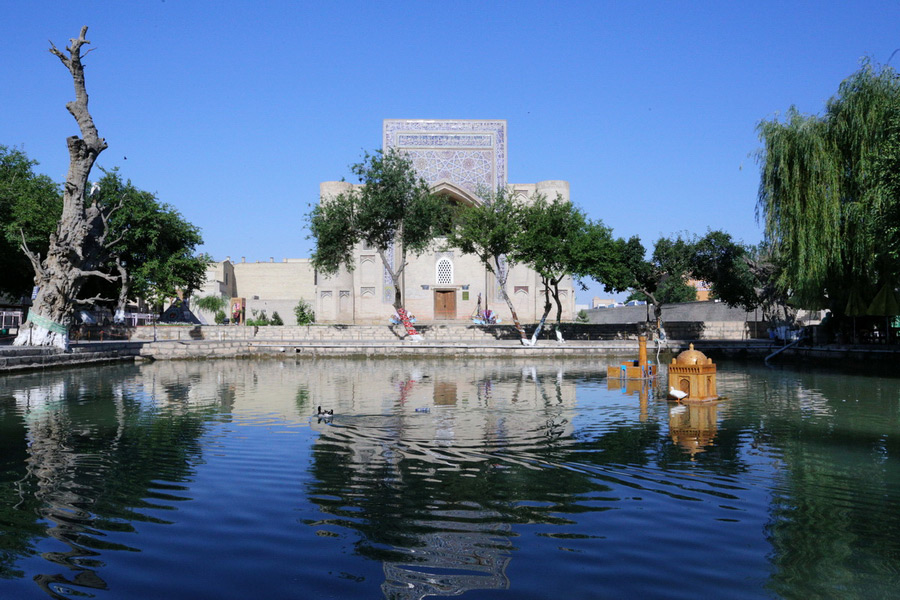
The Timurids were succeeded in power by the Sheibanid dynasty, which began to rule in 1500. The founder of the dynasty was Sheibani Khan, who was constantly at war with neighboring states. In 1601, the Sheibanids were deposed. However, during their reign—only 100 years—several significant structures were erected in modern Uzbekistan, including the Imam Al-Bukhari mausoleum in Samarkand, the Bahauddin Naqshbandi mausoleum, Lyabi Hauz, the Kosh-madrasa complex (Modari Khan and Abdullakhan), Kukeldash madrasa, Fayzabad khanqah, Toki Zargaron trading domes, Tim Abdullah Khan in Bukhara, and many others.
It is believed that the Sheibanids founded the Bukhara Khanate, as at the beginning of the 16th century, Sheibani Khan united Mawarannahr and Khorasan, marking the Khanate's golden age. Later, the Bukhara Khanate became an emirate and existed until 1920. In 1512, Khorezm gained independence, also establishing its own khanate known as the Khanate of Khiva (existed until 1920). There was a long period of economic decline in the Khanate of Khiva, but slave trade flourished. Khiva experienced its heyday in the 18th-19th centuries. The Kokand Khanate emerged in 1709 and lasted until 1876, reaching its zenith in the first half of the 19th century.
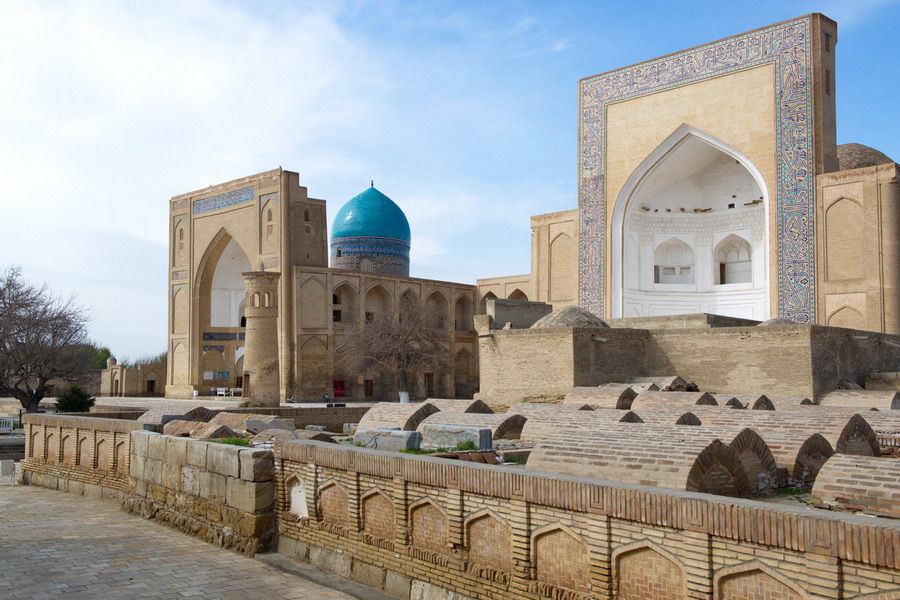
During the existence of the three khanates—Bukhara, Khiva, and Kokand—a number of monumental buildings were created, some of which have survived to this day. For example, these include almost all the buildings of Ichan-Kala in Khiva, Chor-Bakr, the ensemble of Khoja-Gaukushan, the Khoja-Zaynuddin complex, Miri Arab madrasa, the khanqah and madrasa of Divan-Begi in Bukhara, the palace of Khudayar Khan, and the mosque and madrasa of Jami in Kokand.
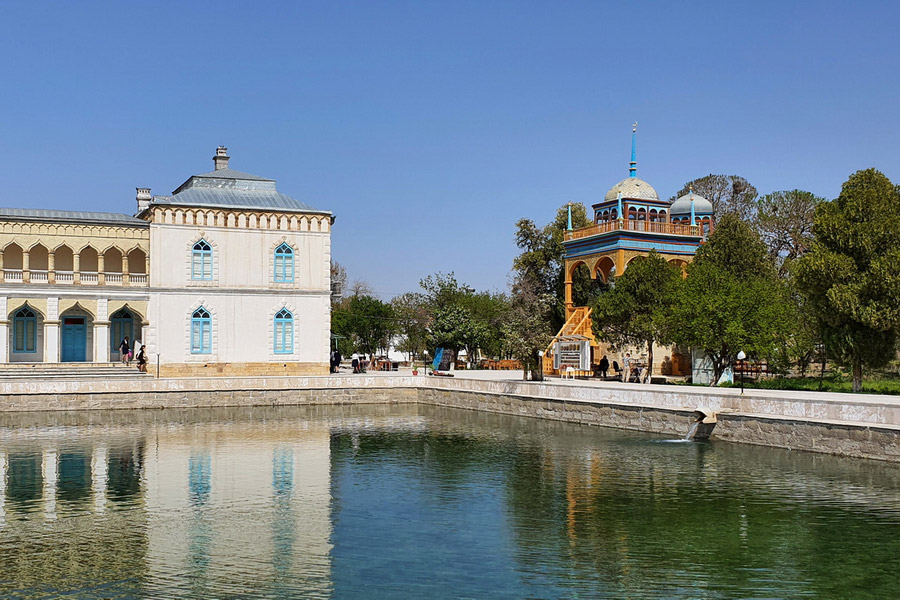
The Russian Empire's troops conquered the territories of modern Uzbekistan between 1865 and 1876. Several schools and gymnasiums were built in Tashkent. In the second half of the 19th century, a winery was established in Samarkand, which is still operational today. At the end of the 19th and beginning of the 20th centuries, Orthodox churches were built in Tashkent, Samarkand, and other cities, and the construction of a Catholic cathedral in Tashkent began. In Bukhara, most of the buildings within the Ark fortress were constructed, and in Khiva, the Islam-Khoja complex and the Nurullabay palace were built.
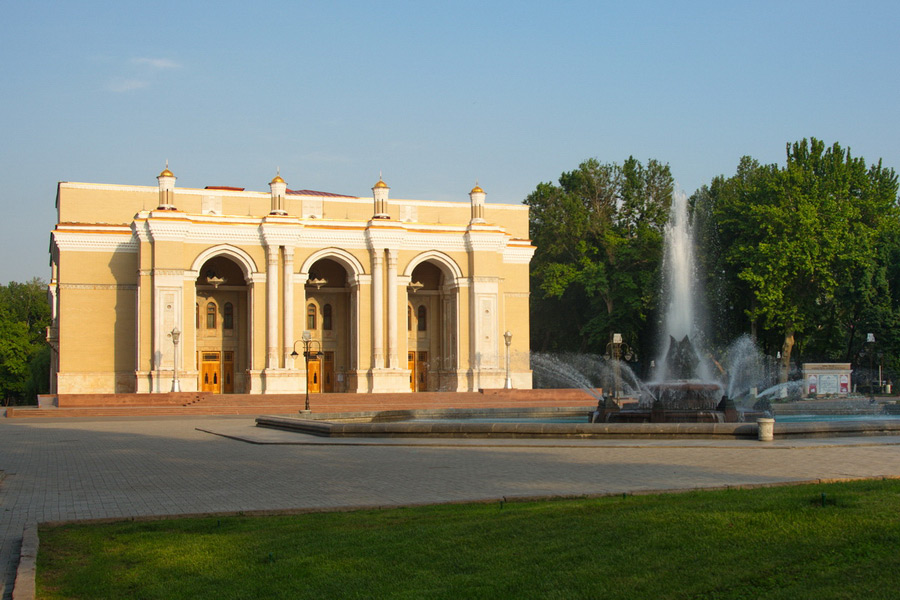
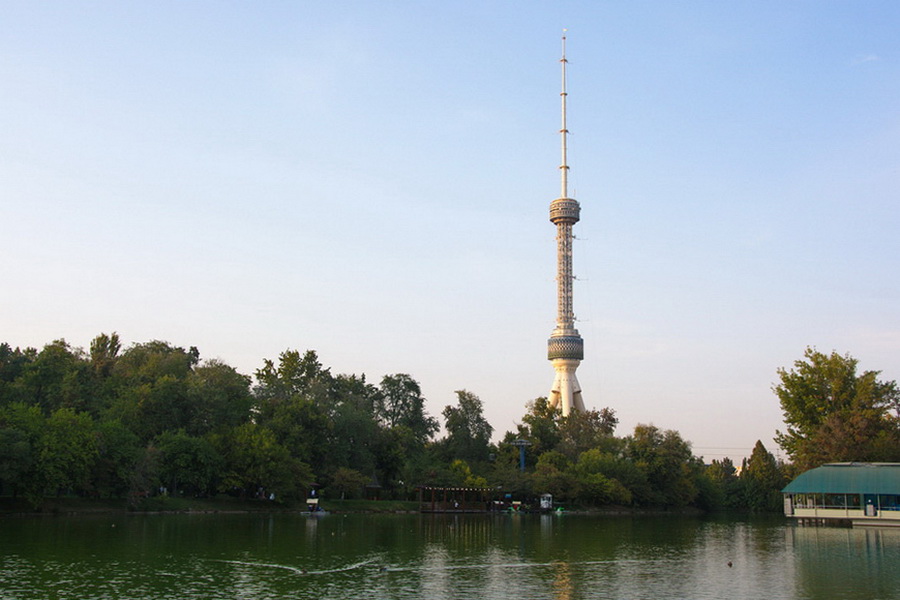
During the Soviet years, many significant landmarks appeared in Uzbekistan. For instance, in Tashkent, the Alisher Navoi Grand Theatre, the TV tower, the Uzbekistan Hotel building, the Palace of Peoples' Friendship, and many others were constructed. In Samarkand, the Hazrat-Hizr mosque was restored, and an Orthodox church dedicated to George the Victorious was built. In Bukhara, a minaret was constructed at the Bolo-Hauz complex, a monument to Hodja Nasreddin was erected, and the construction of the Sitorai Mokhi-Khosa was completed.
In 1991, Uzbekistan declared its independence. In recent years, the country has been actively developing. In Tashkent, the Minor mosque, new metro stations, a large part of the Hazrati Imam complex, Mustakillik Square, the Timurid Museum, parks, and much more have been built.