

Chimgan Travel Guide
Regions: Tashkent region.
Absolute altitude: 3309 m
First ascent: 1865
Official language: Uzbek
Time zone: UTC+5
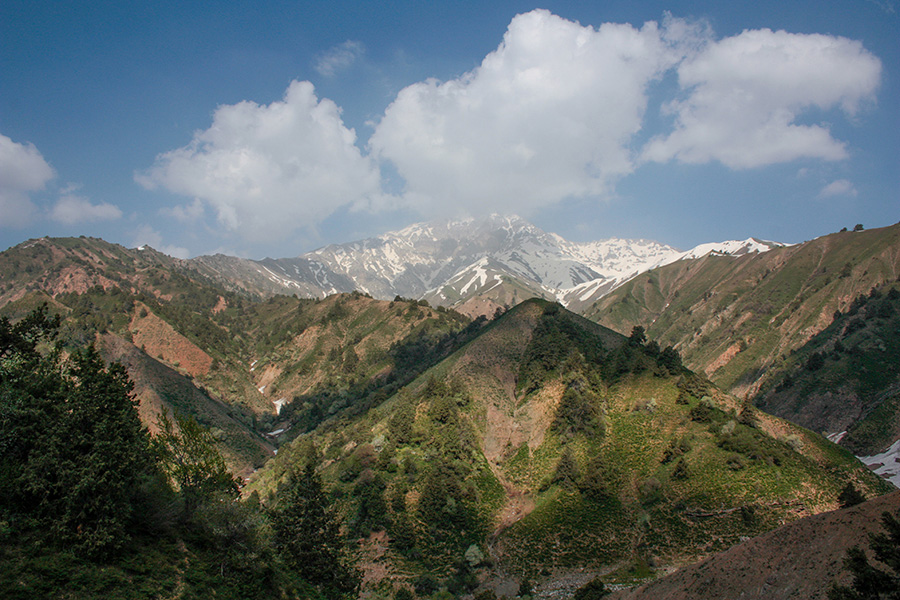
The Chimgan Mountains in the Tashkent region is a popular year-round destination, drawing tens of thousands of visitors annually. During the summer, people flock here to cool off from the city's heat, while winter transforms the area into a hotspot for skiing and snowboarding. Indeed, Chimgan boasts an all-season ski resort.
Bolshoi Chimgan Peak, the area's highest point at 3309 meters, offers challenges for both amateur and professional climbers. This scenic region is also part of the Ugam-Chatkal National Park, adding to its allure.
Chimgan isn't just about outdoor sports; it caters to a variety of interests. The area is equipped with children's camps, a range of dining options, and a plethora of entertainment choices suitable for those seeking either active adventures or more relaxed leisure activities.
How to Get to Chimgan?
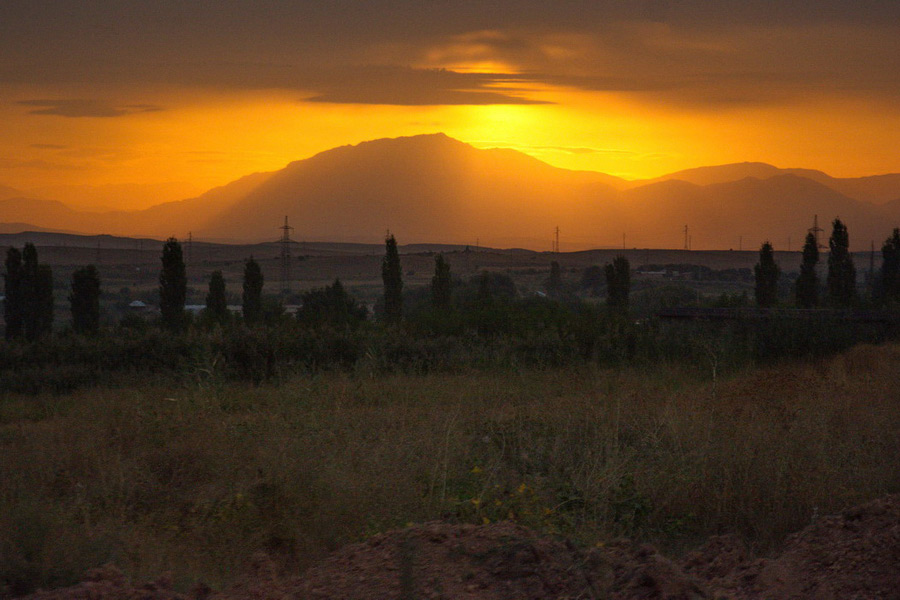
Reaching the Chimgan Mountains is fairly easy. Located about 90 kilometers from the heart of Tashkent, driving there by car or cab is the most straightforward option.
Alternatively, you can catch a shuttle bus near the "Buyuk Ipak Yuli" metro station, still often referred to by its old name, "Maxim Gorky." This bus takes you to Gazalkent, from where you can grab a cab. There are also buses running from Gazalkent to Chimgan twice daily.
Brief History of Chimgan
Chimgan, translating to "green valley" in Uzbek, was established as a mountain resort in 1879.
Originally, it served as a sanitary station for Russian military personnel recovering from fever. It also became a popular summer retreat during the chilla (40-day heat wave), attracting even the governor-general of Turkestan.
The 1930s saw a shift in the area, with lands being leased and up to a hundred private dachas being constructed.
Today, Chimgan hosts a ski resort complete with three ski lifts catering to various skill levels, alongside numerous hotels and guest houses. Due to its pristine air, scenic beauty, and health treatments, Chimgan is fondly referred to as the Uzbek Switzerland.
Chimgan Sights & Attractions
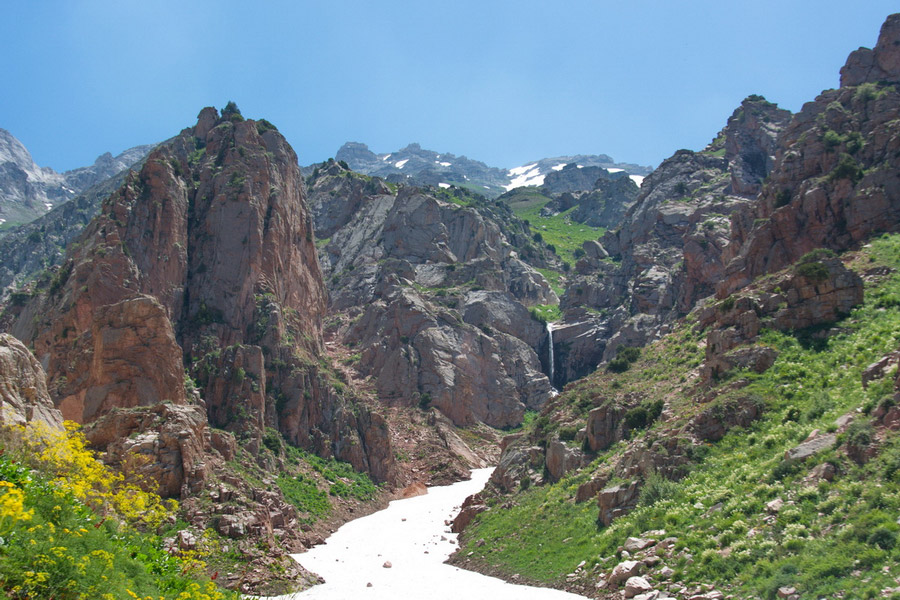
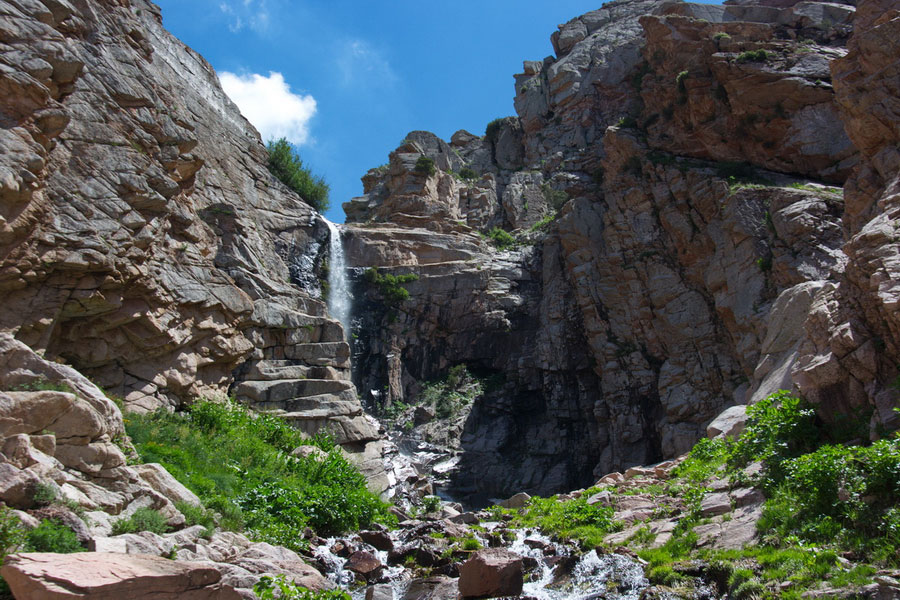
Chimgan's biggest draw is undoubtedly its mountains. Their captivating panoramas attract even those who prefer a more laid-back vacation.
For hiking enthusiasts, the Small and Big Chimgan peaks, Gulkam gulleys, and the Black Waterfall offer a delightful experience.
Things to Do in Chimgan
Chimgan is a year-round destination, popular in both winter and summer. Winter attracts snow sports fans with its safe ski slopes for both skiers and snowboarders, as well as areas for sledding and tubing. Equipment rental is readily available for those without their own gear.
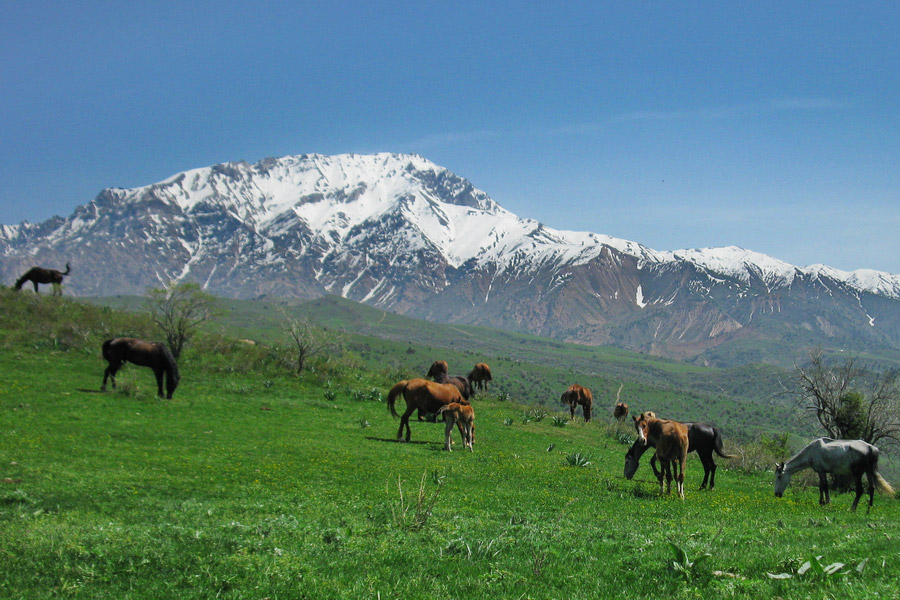
The area is a hit not just with locals but also with visitors from neighboring countries during the winter season. Summer in Chimgan brings a different vibe, with opportunities to escape the heat, enjoy breathtaking mountain views, take cable car rides, experience kumysotherapy in local sanatoriums, hike various trails, go paragliding, horseback riding, swim and fish in mountain rivers, and much more.
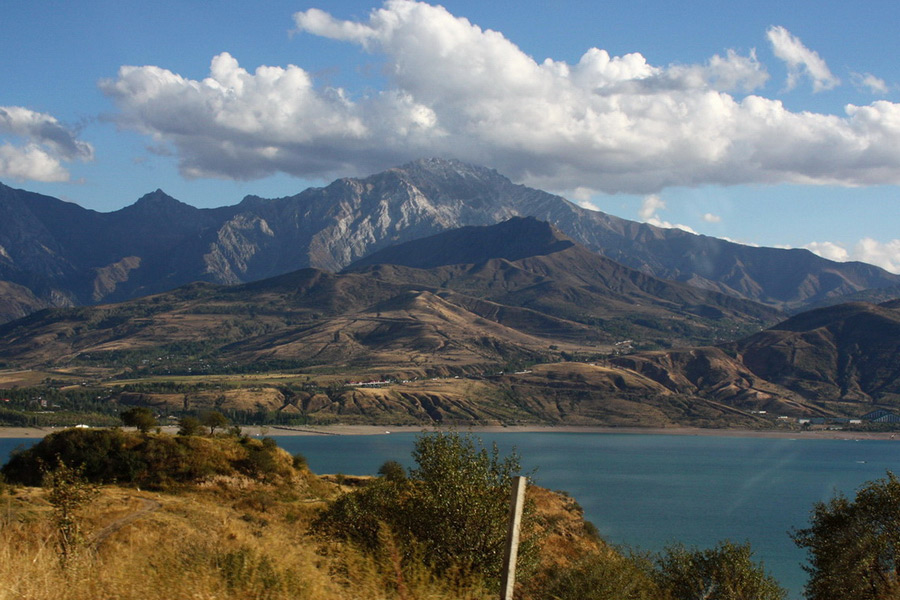
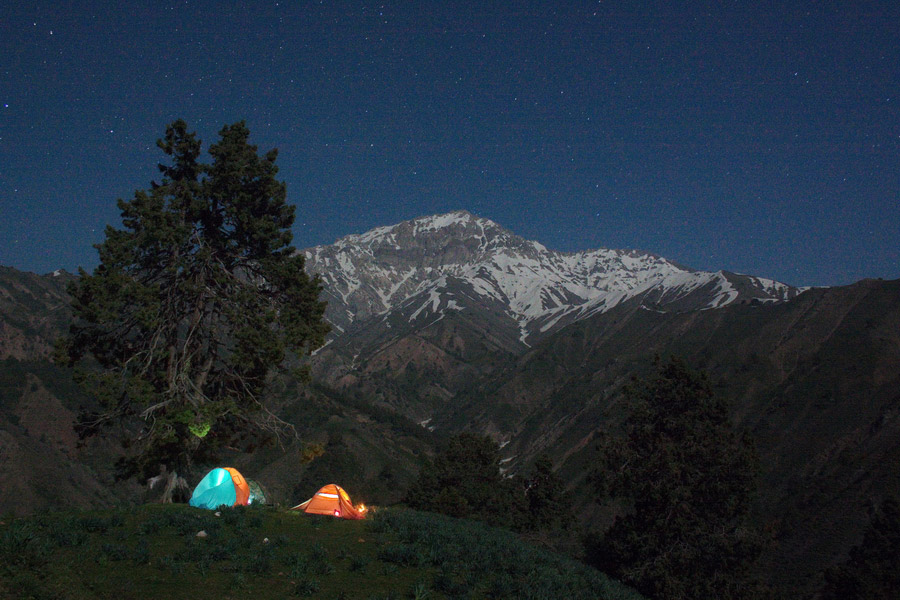
Tea enthusiasts can gather a variety of mountain herbs such as thyme, oregano, mint, sage, rosehip, chamomile, and more, especially enjoyable during chilly evenings.
Food in Chimgan
Around Chimgan, several eateries offer a taste of traditional Uzbek cuisine. Visitors can enjoy dishes like pilaf, shashlik, samsa lagman, manty, and more, giving a true flavor of the region.
Is It Safe in Chimgan?
Chimgan is generally a safe destination. However, be aware of snakes during the spring and summer months.
It's wise to wear non-slip shoes in all seasons to prevent falls. Additionally, remember to bring along sunglasses and sunscreen, whether it's summer or winter.
Best Times to Visit Chimgan
The ski season in Chimgan typically runs from December through March, and occasionally into April. If snow arrives early, the season might kick off in November.
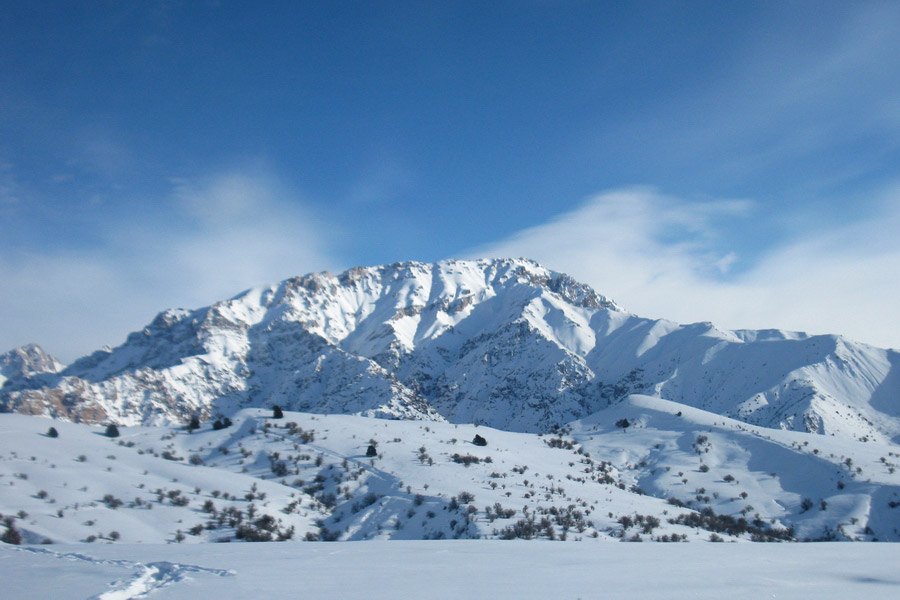
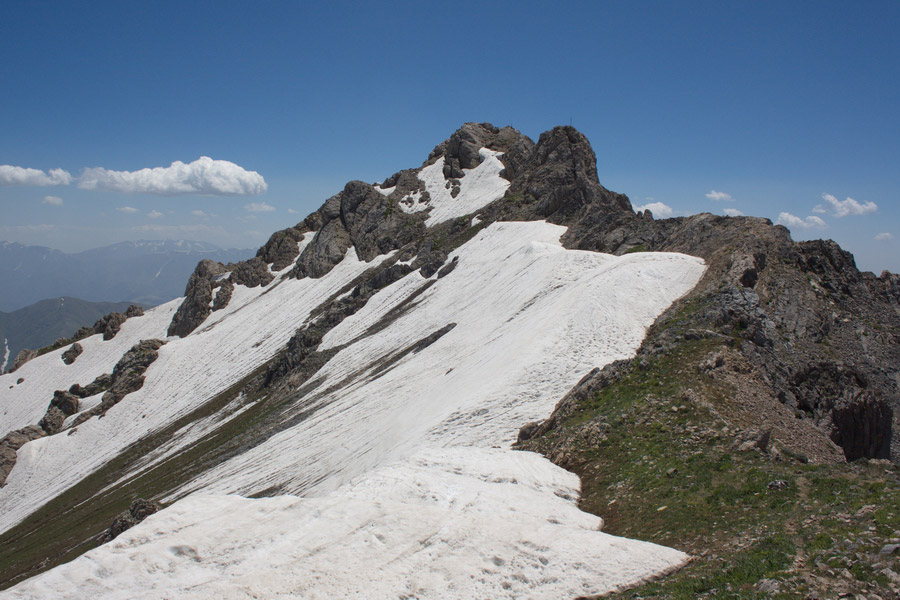
From March to April, hiking up to elevations of 2000 meters becomes feasible. May marks the start of the mountaineering season, celebrated with a May Day event where alpine club members race up Big Chimgan.
The hiking and climbing season extends until the first autumn rain and frost, usually around October.
Early June in Chimgan sees the annual bard festival, drawing mountain and music enthusiasts who set up hundreds of tents in the gorge. The festival includes races to Big Chimgan and orienteering competitions, adding to the area's lively atmosphere.